quilting guide
Quilting Guide: A Comprehensive Beginner’s Resource
Embark on a rewarding journey! This guide provides essential quilting techniques, from selecting fabrics and batting to mastering basic stitches. Discover how to avoid common pitfalls and
create beautiful, lasting quilts, honoring a time-honored craft.
What is Quilting? A Historical Overview
Quilting, a cherished textile art, boasts a rich and fascinating history. Originating from necessity, early quilting emerged as a practical method for creating warm bedding using readily available fabrics. Pioneers, particularly, relied on quilting to combat harsh weather conditions, transforming scraps into functional and beautiful keepsakes.
Historically, quilts weren’t merely blankets; they served as storytelling canvases, documenting life events, and expressing artistic creativity. The tradition evolved across cultures, with unique styles and techniques developing in different regions. Early examples often featured wholecloth designs or simple patchwork, gradually progressing to more intricate patterns.
Throughout the 19th century, quilting flourished as a communal activity, fostering social bonds within communities. Quilting bees provided opportunities for women to share skills, stories, and support. The Civil War era saw quilts being created as fundraising tools and expressions of patriotism. Today, quilting continues to thrive, blending tradition with modern innovation, and remains a testament to human ingenuity and artistry – a gift handed down through generations.
Essential Quilting Tools and Materials

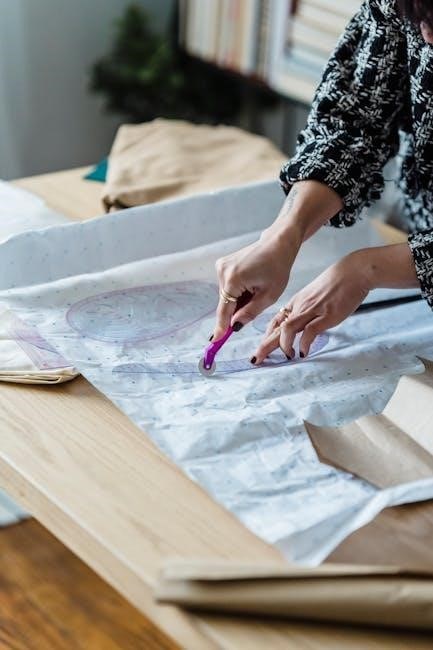
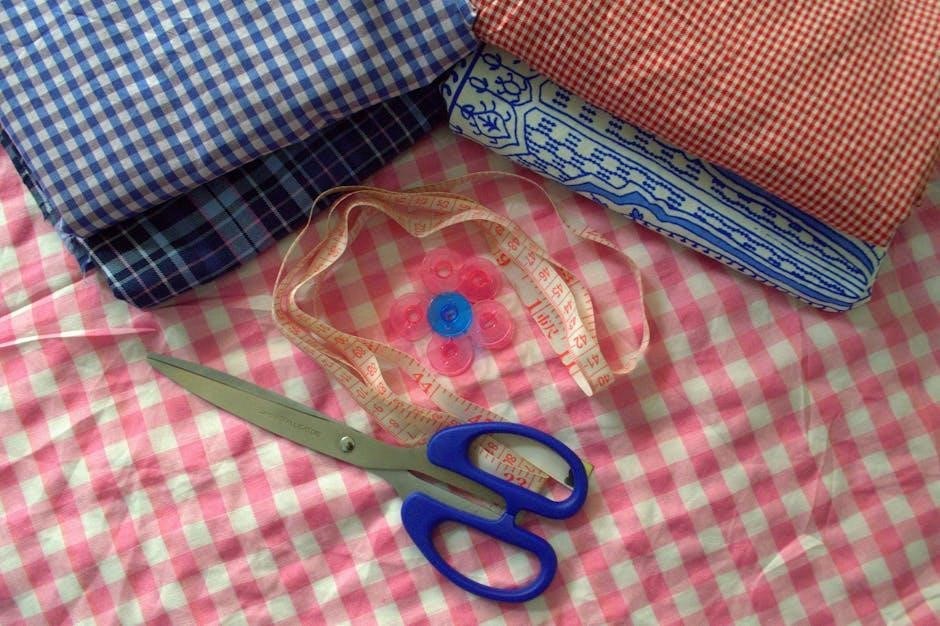
Embarking on your quilting journey requires a few key tools and materials. A rotary cutter, quilting ruler, and cutting mat are fundamental for precise fabric cutting – improving accuracy significantly. A reliable sewing machine, equipped with a ¼-inch foot, is essential for piecing quilt blocks together. Don’t underestimate the importance of quality thread; upgrading is a worthwhile investment!
Beyond the basics, consider these helpful additions: pins (lots of them!), a seam ripper (inevitable!), and a well-stocked iron and ironing board for pressing seams. For basting, you’ll need either pins or spray basting adhesive. Batting, the insulating layer, comes in various lofts and fibers, influencing the quilt’s warmth and drape.
Fabric selection is crucial, with cotton being a popular choice for beginners. A supply list, often found in beginner quilt books like the “Fat Quarter Style Quilt Book”, can guide your initial purchases. Remember to factor in backing fabric and binding materials to complete your masterpiece.
Choosing the Right Fabrics for Your Quilt
Selecting fabrics is a delightful part of quilting, but requires consideration. Cotton is the most popular choice for beginners due to its ease of use, affordability, and wide availability. Look for quilting cotton – specifically designed for quilting with tighter weaves and better colorfastness. Fat quarters are excellent for variety and smaller projects, as highlighted in resources like the “Fat Quarter Style Quilt Book”.
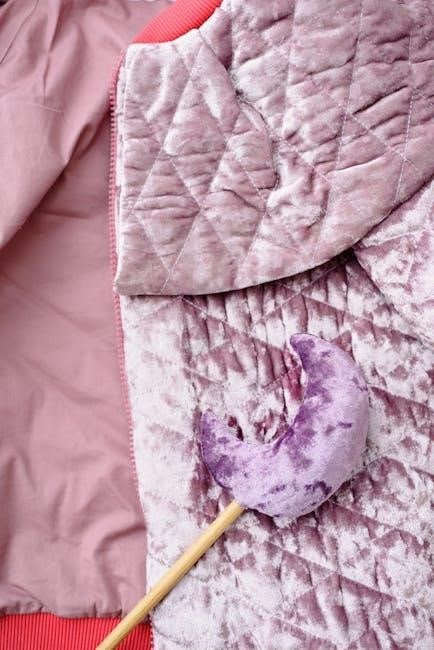
Consider the weight and scale of prints. Varying fabric weights within a quilt can cause puckering, so consistency is key. Scale refers to the size of the print; mixing large and small-scale prints adds visual interest. Pre-washing fabrics is debated – it prevents shrinkage and color bleeding, but can also cause fraying.
Think about color palettes and how they evoke different moods. Coordinating fabrics can be achieved through color families, complementary colors, or a monochromatic scheme. Don’t be afraid to experiment, but remember that fabric choice significantly impacts the quilt’s overall aesthetic and longevity.
Understanding Batting Options: Loft, Fiber, and Use
Batting, the layer between your quilt top and backing, significantly impacts warmth, drape, and quilting ease. Loft refers to the batting’s thickness – higher loft means more warmth but can be harder to quilt. Fiber choices include cotton, polyester, wool, and blends, each with unique properties.
Cotton batting is breathable, drapes beautifully, and is a popular choice for heirloom quilts. Polyester batting is lightweight, affordable, and resists wrinkles, making it good for utility quilts. Wool batting offers excellent warmth and natural resilience, but can be more expensive. Blends combine the benefits of different fibers.
Consider the quilt’s intended use. A baby quilt might benefit from a lighter, breathable batting, while a winter bed quilt requires a warmer loft. Resources like “Diary of a Quilter” offer tutorials on choosing batting. Pay attention to batting weight (oz/yd²) – a higher weight indicates denser batting. Proper batting selection enhances your quilt’s comfort and longevity.
Basic Quilting Techniques: Cutting and Piecing
Precise cutting and accurate piecing are foundational to successful quilting. Begin with a rotary cutter, mat, and ruler – essential tools for achieving consistent fabric shapes. Always cut with the grain of the fabric for stability. “Fat Quarter Style Quilt Book” is recommended for beginners learning these techniques.
Piecing involves sewing fabric pieces together to form quilt blocks. A consistent ¼ inch seam allowance is crucial; practice achieving this accuracy. Press seams open or to one side, depending on the pattern’s instructions. Pressing, not ironing, is key – lift and lower the iron to avoid distorting the fabric.
Start with simple block patterns to build confidence. Chain piecing – sewing multiple pieces together without cutting the thread – can speed up the process. Remember, patience and attention to detail are vital. Accurate cutting and piecing ensure your quilt blocks align correctly, resulting in a beautifully constructed quilt top.
Quilt Block Basics: Popular Patterns for Beginners
Several quilt block patterns are ideal for beginners, offering a gentle introduction to piecing. The Nine Patch is a classic, constructed from simple squares, providing excellent practice with seam allowances. Another accessible option is the Four Patch, equally straightforward and versatile.
The Half-Square Triangle (HST) is a building block for many more complex designs. While seemingly simple, mastering HST construction is a valuable skill. Explore variations like the Pinwheel, built from HSTs, offering a visually appealing result with minimal complexity.
For a slightly more challenging but rewarding project, consider the Log Cabin block. This pattern utilizes strips of fabric sewn around a central square, creating a visually striking design. Resources like the “Fat Quarter Style Quilt Book” often include instructions for these beginner-friendly blocks. Remember to start small and gradually increase complexity as your skills develop. Consistent practice is key to mastering these foundational quilt blocks.
The Importance of Accurate Seam Allowances
Precision is paramount in quilting, and accurate seam allowances are the cornerstone of a successful quilt. A consistent ¼ inch seam allowance is the standard, ensuring blocks fit together seamlessly and preventing frustrating misalignments. Inaccurate seams can lead to blocks that are too large or too small, causing issues during the quilting process.
Even slight variations in seam allowances can accumulate across the entire quilt top, resulting in a wonky or distorted final product. Investing in a ¼ inch seam foot for your sewing machine is highly recommended, providing a consistent guide. Regularly check your seam allowance with a ruler to maintain accuracy throughout your project.
Experienced quilters emphasize that quilting adds strength, but only if the foundation is solid. As suggested by quilt shop experts, balancing strength throughout the quilt is crucial, and accurate seams contribute significantly to this. Prioritizing precision from the start will save you time and frustration in the long run, leading to a beautifully constructed and durable quilt.
Basting Methods: Pin Basting vs. Spray Basting
Securing your quilt layers – the top, batting, and backing – is crucial before quilting, and basting is the process that achieves this. Two popular methods are pin basting and spray basting, each with its own advantages and disadvantages. Pin basting, a traditional technique, involves using safety pins to hold the layers together. It’s cost-effective but can be time-consuming, especially for larger quilts.
Spray basting, on the other hand, utilizes a temporary adhesive spray to bond the layers. It’s significantly faster than pin basting and provides a smoother, more even surface for quilting. However, spray basting requires good ventilation and can leave a residue on your machine if not used carefully.
Many quilters, after initial experiences, are switching to spray basting. One quilter found Christa Watson’s book on spray basting particularly helpful, highlighting its efficiency. Consider the size of your quilt, your workspace, and your personal preference when choosing a basting method. Both techniques effectively prepare your quilt for the next stage!
Machine Quilting 101: Straight Line Quilting
Machine quilting opens a world of possibilities for finishing your quilt, and straight-line quilting is an excellent starting point for beginners. This technique involves quilting straight lines across the quilt surface, offering a clean and modern aesthetic. It’s achievable with a standard sewing machine and a walking foot, which helps feed all layers evenly.
A valuable tip from experienced quilters is to quilt in the ditch – following the seams of your pieced quilt top. This not only adds definition but also provides structural strength, preventing the quilt top from puckering or bagging over time. Quilting in both rows and columns is recommended for balanced support.
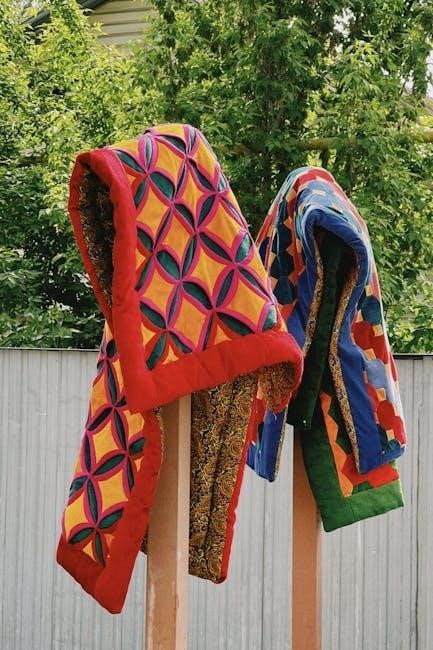
Start with simple designs, gradually increasing complexity as your confidence grows. Consistent seam allowances are key to achieving a professional finish. Remember, straight-line quilting doesn’t have to be rigid; experiment with different spacing and patterns to create unique textures. It’s a fantastic way to build skills and add a personal touch to your quilts!
Free Motion Quilting: Beginner-Friendly Designs (Loopy Loops)
Venturing into free motion quilting (FMQ) can seem daunting, but it’s surprisingly accessible with the right approach. Unlike straight-line quilting, FMQ involves lowering the feed dogs on your sewing machine, allowing you to move the quilt freely under the needle. This opens up creative possibilities for intricate designs.
For beginners, “loopy loops” are widely considered the most forgiving FMQ pattern. Unlike stippling or meandering, which require precise, continuous lines, loopy loops allow for overlapping and imperfections. This relaxed nature makes it easier to control the fabric and develop a comfortable rhythm.
Experienced FMQ teachers emphasize that you have permission to cross over your lines when creating loopy loops. This freedom reduces pressure and allows you to focus on the overall flow of the design. Practice slowly, focusing on consistent loop size and spacing. With a little patience, you’ll be creating beautiful, textured quilts in no time!
Quilting in the Ditch: Strengthening Your Quilt
“Quilting in the ditch” is a fundamental technique that significantly enhances a quilt’s durability and visual appeal. This method involves stitching along the seams between fabric pieces – essentially, “in the ditch” created by the piecing. It’s a particularly useful technique for beginners, offering a straightforward way to secure the quilt layers.
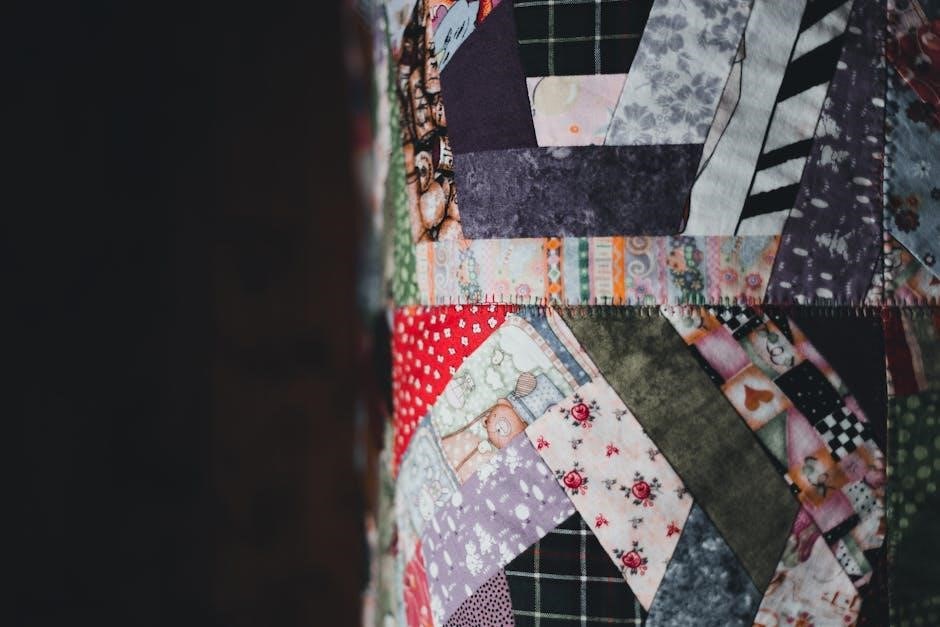
Experienced quilters recommend combining quilting in the ditch with other quilting patterns for optimal results. Simply quilting in the columns alone may lead to the quilt top “bagging” over time, especially with larger quilts. To counteract this, quilt in the ditch along both the rows and columns, providing balanced support.
Consider quilting in the ditch as a foundational layer of quilting. It adds structural integrity, preventing shifting of the fabric layers and ensuring the quilt holds its shape for years to come. You can then build upon this base with more decorative quilting designs in the blocks themselves, creating a harmonious and resilient finished product.
Hand Quilting: A Traditional Approach
Hand quilting represents a deeply rooted tradition in the quilting world, offering a slower, more meditative approach to the craft. Unlike machine quilting, hand quilting involves meticulously stitching through all layers of the quilt – top, batting, and backing – using a needle and thread.
This method allows for greater control and precision, resulting in delicate and intricate stitch patterns. While more time-consuming than machine quilting, many quilters appreciate the tactile experience and the unique character that hand quilting imparts to a quilt.
Choosing the right materials is crucial for successful hand quilting. Fine quilting thread, a comfortable thimble, and a sharp needle are essential tools. The technique involves creating small, even stitches, often referred to as “running stitches,” that are barely visible on the quilt’s surface.
Hand quilting offers a connection to the past, honoring the generations of quilters who have painstakingly created beautiful and functional heirlooms using this time-honored method. It’s a rewarding process that fosters patience and creativity.
Quilt Binding: Finishing Your Masterpiece
Quilt binding is the crucial final step that beautifully frames your quilt and protects its raw edges, transforming a finished quilt top into a polished and enduring heirloom. It’s the process of encasing the edges of the quilt with fabric, securing all layers together and providing a neat, professional finish.
There are several methods for applying quilt binding, including straight-grain, bias-cut, and machine or hand sewing. Bias-cut binding, made from fabric cut on the diagonal, is preferred for quilts with curved edges as it allows for greater flexibility.
Preparing the binding involves cutting strips of fabric, joining them together to create a continuous length, and pressing it into a folded shape. The binding is then attached to the quilt edges, typically starting with machine sewing on the front, followed by hand stitching on the back for a clean, invisible finish.
A well-executed quilt binding not only enhances the aesthetic appeal of the quilt but also adds durability, preventing fraying and ensuring that your masterpiece will be cherished for generations. It’s the perfect punctuation mark to your quilting journey!
Avoiding Common Quilting Mistakes
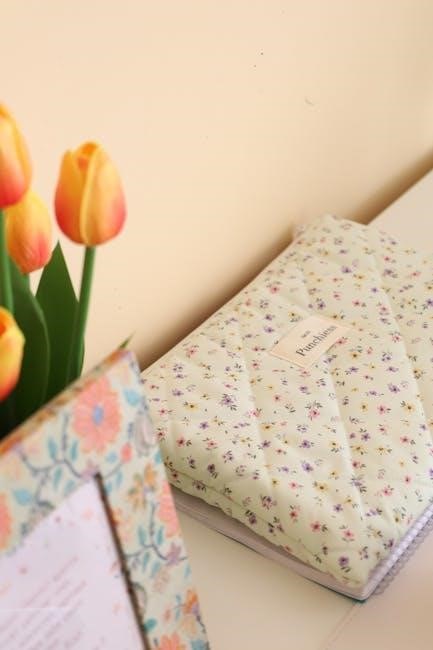
Quilting, while rewarding, presents opportunities for errors, especially for beginners. Recognizing and preventing these common mistakes is key to a successful and enjoyable quilting experience. Inaccurate cutting is a frequent issue; precise measurements and rotary cutter skills are vital for consistent block sizes.
Insufficient thread quality can lead to breakage and puckering, so investing in a good thread is worthwhile. Neglecting seam allowances – ensuring they are consistent throughout – prevents blocks from mismatching. Skipping pressing steps results in bulky seams and uneven quilt surfaces.
Insufficient basting allows layers to shift during quilting, causing puckers and distortions. Pin basting or spray basting are both effective, with spray basting offering a smoother surface. Quilting too densely can create a stiff quilt, while too little quilting may cause bagging over time.
Remember to balance quilting strength throughout the quilt, quilting in the ditch alongside block quilting. Careful attention to detail and a methodical approach will minimize errors and maximize your quilting satisfaction.
Resources for Further Learning: Books and Online Tutorials
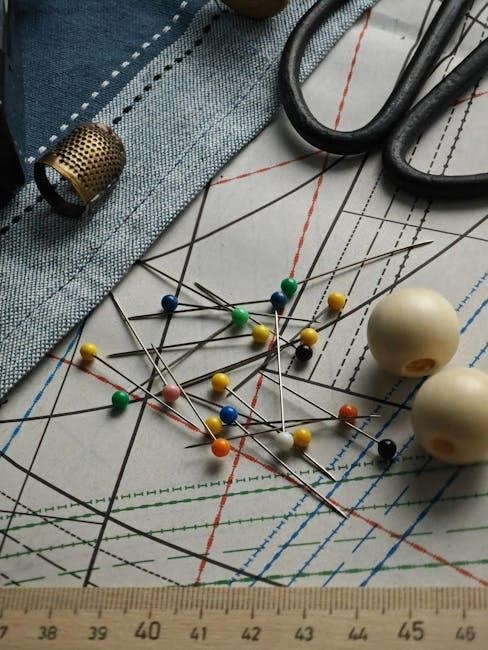
Expanding your quilting knowledge is a continuous journey! Fortunately, a wealth of resources exists to support your growth, from comprehensive books to dynamic online tutorials. The Fat Quarter Style Quilt Book is highly recommended for beginners, offering a detailed supply list, technique explanations, and binding instructions.
Christa Watson’s books provide excellent guidance, particularly on spray basting techniques. Online quilting blogs, like the Jolly Jabber Quilting Blog and Diary of a Quilter, offer free tutorials covering batting selection, basting methods, and stitching techniques.
Villa Rosa Quilts provides valuable insights into free motion quilting, specifically highlighting loopy loops as a beginner-friendly design. Numerous YouTube channels and websites host quilting demonstrations and pattern tutorials.
Exploring these resources will expose you to diverse techniques, patterns, and perspectives, fostering creativity and skill development. Don’t hesitate to join online quilting communities to connect with fellow enthusiasts and share your progress. Continuous learning is the key to mastering this beautiful craft!



Leave a Reply
You must be logged in to post a comment.